
Why Choose Neurological Physical Therapy with the Lokomat at Boston Brain Center?
Neurological physical therapy helps individuals affected by neurological injuries or conditions improve movement, balance, strength, coordination, walking ability, and independence. At Boston Brain Center, each rehabilitation program is personalized to the patient’s abilities, challenges, and functional goals.
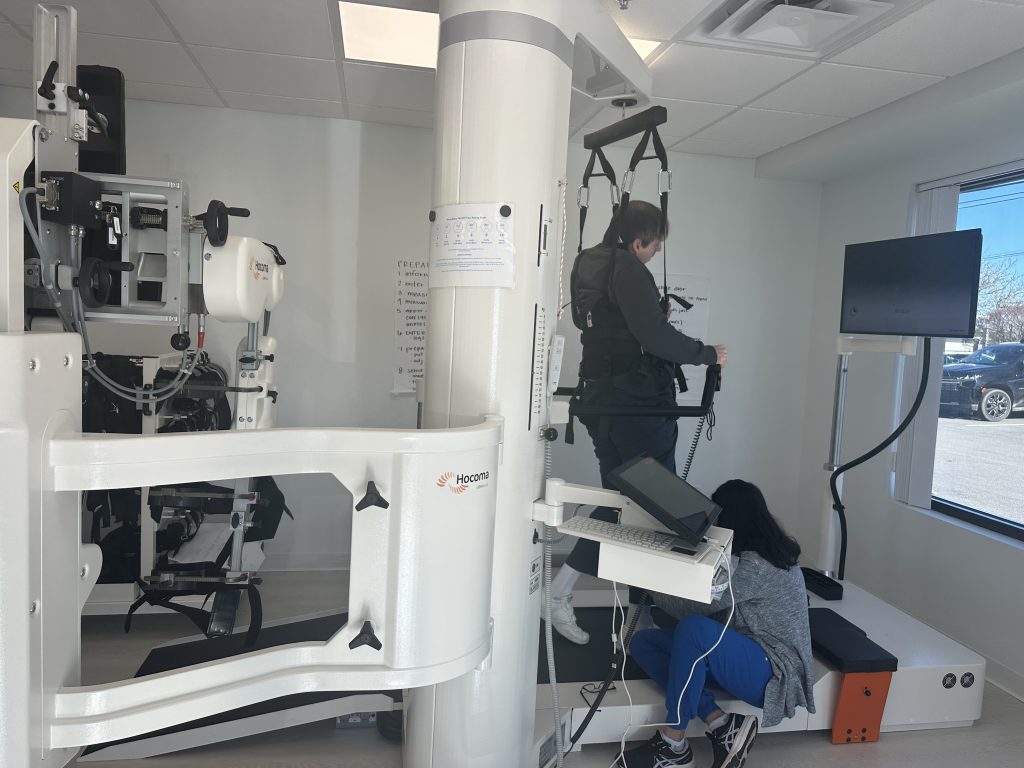
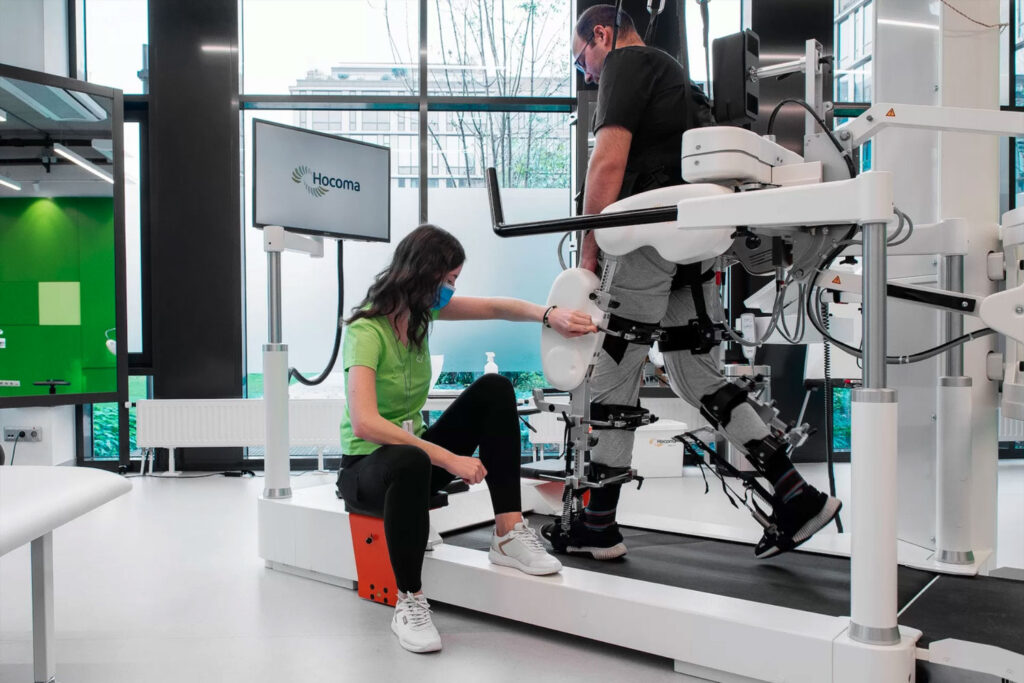
Our therapists may incorporate the Lokomat, an advanced robotic gait-training system that combines a treadmill, dynamic body-weight support, and adjustable robotic guidance. This technology allows patients to practice controlled, repetitive walking movements while receiving support based on their individual needs. The therapist remains actively involved throughout each session, monitoring progress and adjusting the training as appropriate.
By combining experienced neurological physical therapy with advanced rehabilitation technology, Boston Brain Center provides a supportive environment where patients can work toward improved mobility, confidence, and greater independence. The Lokomat is used when clinically appropriate as part of a comprehensive, individualized treatment plan.
Take the Next Step with Lokomat Therapy
At Boston Brain Center, neurological physical therapy combines personalized care with advanced rehabilitation technology. The Lokomat provides supported, repetitive gait training tailored to each patient’s abilities, helping them work toward better movement, walking, confidence, and independence under the guidance of a trained therapist
Who Can Benefit from Lokomat Therapy?
Lokomat therapy may benefit children and adults who have moderate to significant difficulty walking due to a neurological injury or medical condition. It is designed for patients who need intensive gait training and additional support to practice standing and walking movements safely. The system combines a treadmill, robotic leg supports, and adjustable body-weight support, allowing the therapist to personalize each session according to the patient’s abilities and rehabilitation goals.
Patients who may be considered for Lokomat therapy include individuals experiencing walking limitations associated with:
- Stroke
- Spinal cord injury
- Traumatic or acquired brain injury
- Cerebral palsy
- Multiple sclerosis
- Parkinson’s disease
- Guillain-Barré syndrome
- Other neurological conditions affecting mobility and walking
Lokomat therapy has been studied in these patient populations, although the strength of the evidence and expected benefits vary depending on the individual’s diagnosis, condition, and stage of recovery.
It may be especially helpful for patients who cannot yet walk independently, have weakness or reduced coordination in their legs, require partial body-weight support, or need repetitive walking practice as part of their rehabilitation. For people recovering from a stroke, research indicates that robotic gait training combined with physical therapy may increase the likelihood of regaining independent walking, particularly for patients who are not yet walking independently.
Lokomat Therapy at Boston Brain Center
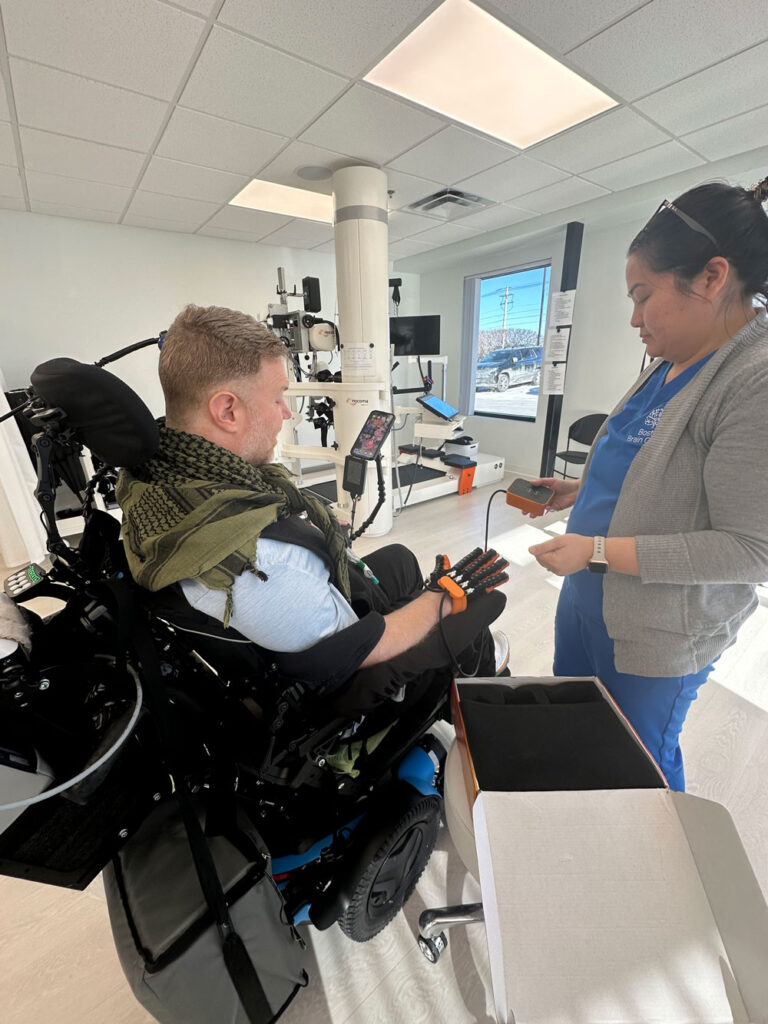
At Boston Brain Center, Lokomat therapy is incorporated into personalized neurological rehabilitation programs. Our team evaluates each patient’s condition, mobility, abilities, and goals to determine whether robotic gait training is appropriate.
Research suggests that robotic gait training used together with physical therapy may help some patients after stroke achieve greater walking independence. However, benefits vary, and Lokomat therapy has not been shown to be better than conventional physical therapy for every walking outcome or every patient.
The Lokomat does not replace the knowledge and guidance of a physical therapist. Instead, it provides therapists with an additional tool to deliver individualized, repetitive, and goal-focused gait training as part of a comprehensive rehabilitation plan.